
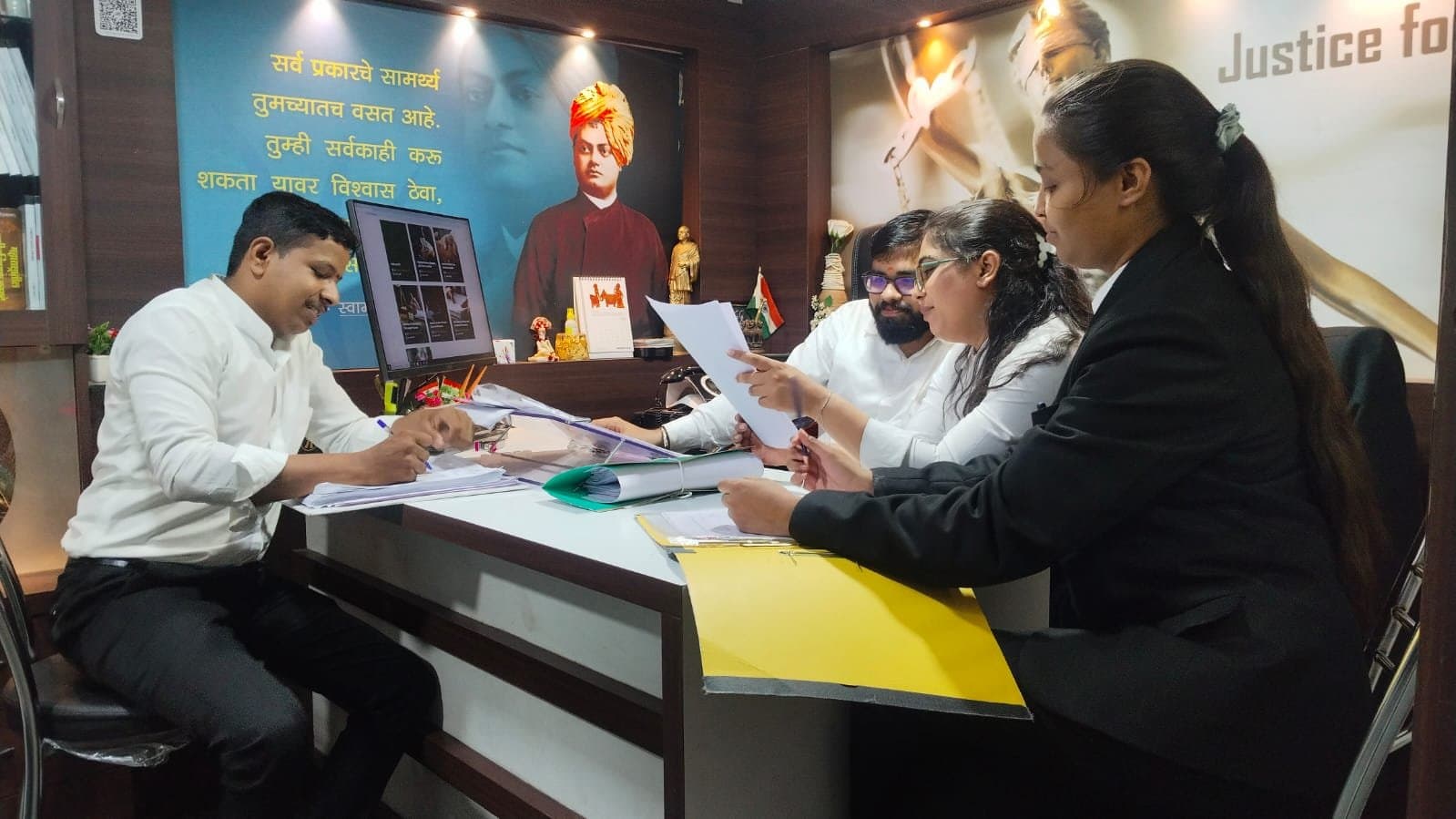
Judge a lawyer in Pune on four verifiable things: enrolment with the Bar Council of Maharashtra & Goa, regular appearance in the specific court your matter will be heard in, willingness to give you an honest assessment (including bad news), and a written fee structure before work begins. Superlatives — "best divorce lawyer in Pune", "top advocate" — are self-awarded and mean nothing.
Almost every legal website in this city claims to be the best. None of them can prove it, because no authority in India ranks advocates. So the useful question is not who is best, but who is verifiably competent for your matter — and that is answerable in one consultation.
The nine checks
- Enrolment: ask for the Bar Council enrolment number and year. It is a public fact and takes seconds to state.
- Court fit: your matter will be heard somewhere specific — Family Court Shivajinagar, District & Sessions Court Pune, MahaRERA, a consumer commission. Ask how often they appear there.
- Practice fit: a chamber claiming Supreme Court, ED, NCLT, family, property and cyber simultaneously is telling you something. Depth beats breadth for a single matter.
- Honest assessment: a good advocate tells you the weaknesses of your case in the first meeting. Anyone who only predicts victory is selling, not advising.
- No outcome guarantees: no one can guarantee bail, a decree, or a timeline. A guarantee is the clearest possible warning sign.
- Fee structure in writing: consultation, drafting, per-appearance — agreed before work starts, so no invoice ever surprises you.
- Who will actually appear: in a firm, ask which advocate handles your hearings, not just who you met.
- Communication rhythm: will you hear after every hearing? Silence between dates is the most common client complaint in India.
- Verifiable reputation: Google reviews from real matters, named team, real office. Not stock photos and unsourced testimonial walls.
Questions worth asking out loud
| Ask this | What a good answer sounds like | What should worry you |
|---|---|---|
| What's the realistic timeline? | A range, with the reasons it varies | A single confident number |
| What could go wrong for me? | Two or three specific risks | "Nothing, we'll win" |
| What will this cost? | A structure, stage by stage | "We'll discuss later" |
| Which court, which stage first? | Named court, named first step | Vague procedural talk |
The bottom line
Meet two advocates, ask the four questions above, and retain the one who was most honest about your weaknesses. In our experience, that instinct serves clients better than any ranking list ever printed.