
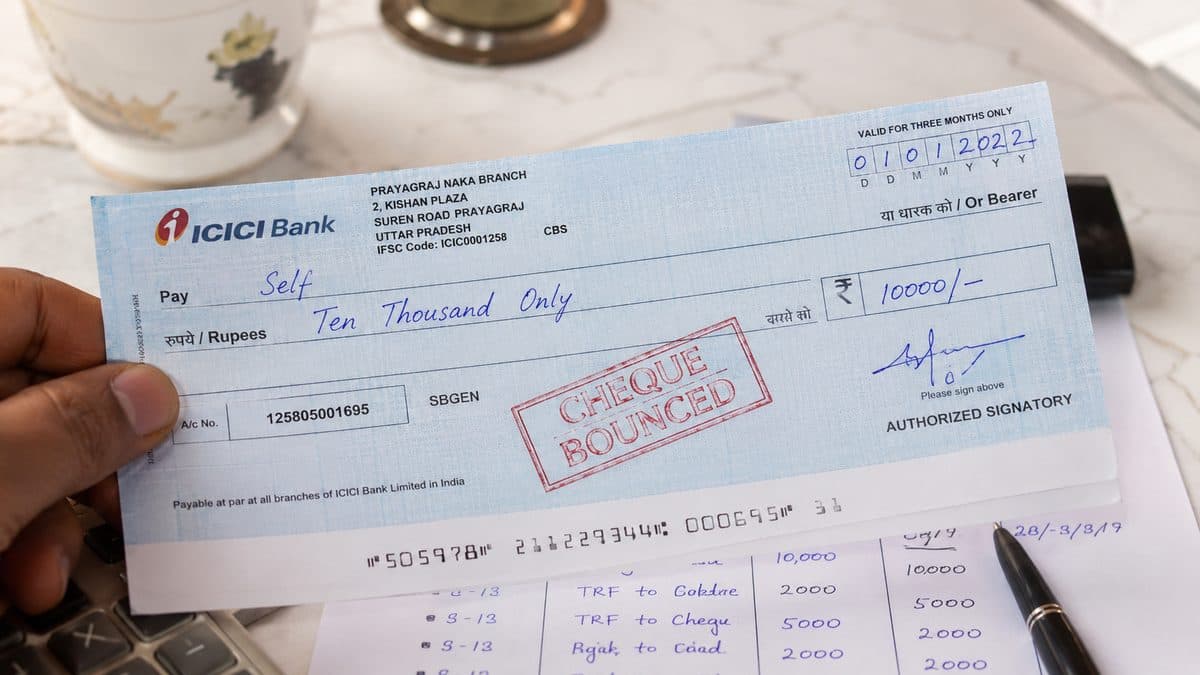
Yes, usually. In Sainaba v. State of Kerala (2026 INSC 1069), decided on 30 September 2026, the Supreme Court held that once the demand notice under Section 138 of the Negotiable Instruments Act is sent to the accused’s correct address, the requirement of giving notice is met — even if his mother received it. The presumption of service stood unrebutted because the accused did not prove the address was wrong or that his relationship with his mother was hostile. The Court restored his conviction.
‘I never received the notice’ is one of the most common defences in cheque bounce cases in Pune’s Magistrate courts. This judgment makes clear how far that defence will go when a family member signed for it.
What happened
The trial court and the appellate court had convicted the accused under Section 138. The Kerala High Court set the conviction aside, holding that because the notice was received by his mother and not by him, it had not been served as the law requires. The Supreme Court disagreed and restored the conviction.
The notice rules in brief
| Step | Time limit |
|---|---|
| Present the cheque | Within its validity, normally three months from its date |
| Send the demand notice | Within 30 days of learning of the dishonour |
| Payment by the drawer | Within 15 days of receiving the notice |
| File the complaint | Within one month after the 15 days expire |
If you are the payee
- Send the notice by registered post with acknowledgment to the drawer’s correct, known address. Add other known addresses and email or WhatsApp where you have them.
- Keep the postal receipt, tracking report and the acknowledgment card. These prove dispatch and delivery.
- Count the 15 days from the date of receipt, then file within the next month.
If you are the accused
Lack of notice can still be a defence, but it has to be proved, not just asserted. You would need to show that the address used was not yours, or that the person who received it was someone who could not be expected to pass it on. In most cases, though, the stronger defences in a Section 138 case lie elsewhere — whether there was a legally enforceable debt, and whether the presumption under Section 139 can be rebutted on the facts.
The bottom line
Notice sent to the right address is good notice, whoever in the family signs for it. Payees should keep proof of dispatch; drawers should treat any notice reaching their home as having reached them.