
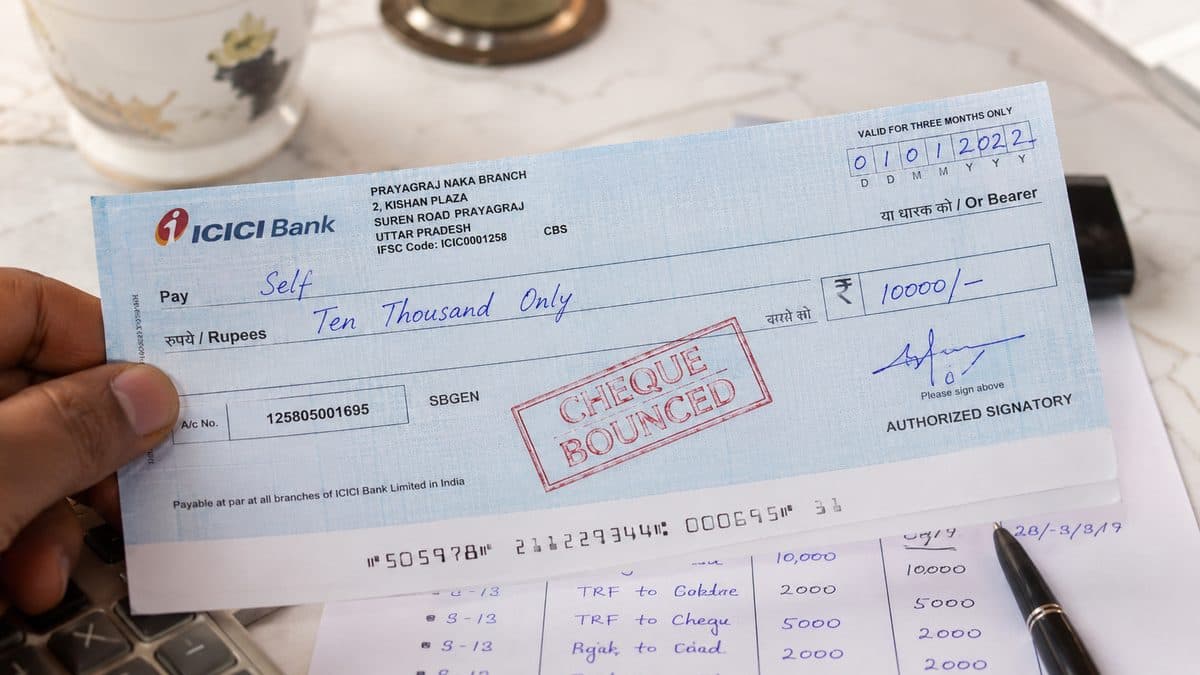
When a cheque bounces, Section 138 of the Negotiable Instruments Act gives the payee a criminal remedy on a strict timeline: a written demand notice within 30 days of the bank's return memo, 15 days for the drawer to pay, and a complaint within 30 days after that window closes. Miss any of these and the criminal remedy for that presentation is lost — though a civil recovery suit remains available within limitation.
This is the most deadline-sensitive remedy an ordinary business uses, and the most commonly forfeited. We regularly meet payees who spent four months re-presenting a cheque and calling the drawer, and lost the strongest tool they had.
The clock
| Stage | Deadline | What must happen |
|---|---|---|
| Cheque returned | Day 0 | Bank memo received — keep the original |
| Demand notice | Within 30 days | Written notice demanding the cheque amount, sent to the correct address |
| Payment window | 15 days from receipt | Drawer pays and the matter ends — or does not, and the offence completes |
| Complaint | Within 30 days after that | Filed before the Magistrate having jurisdiction |
Why payees usually recover
The law presumes the cheque was issued to discharge a debt; the drawer must rebut that presumption. Add the court's power to order interim compensation of up to twenty percent under Section 143A, and most drawers with a genuine liability come to the table long before trial — which is why a large share of these matters settle at full value.
Documents that make the complaint work
- The original dishonoured cheque and the bank return memo
- Proof of the underlying debt — invoice, ledger, loan record, agreement
- A copy of the demand notice with postal or courier proof of dispatch
- The drawer's reply, if any
- Your bank statement showing presentation
If you are the drawer
Defences exist and are sometimes strong: the cheque was given as security before any liability crystallised, the debt is genuinely disputed, the notice was defective, the signature was misused. What is never a defence is ignoring the summons — non-appearance brings warrants and forfeits a case that might have been won or settled.
The bottom line
Diarise the three dates the moment a cheque bounces, send a properly drafted notice rather than a WhatsApp message, and file on time. The remedy is powerful — but only for people who respect its calendar.