
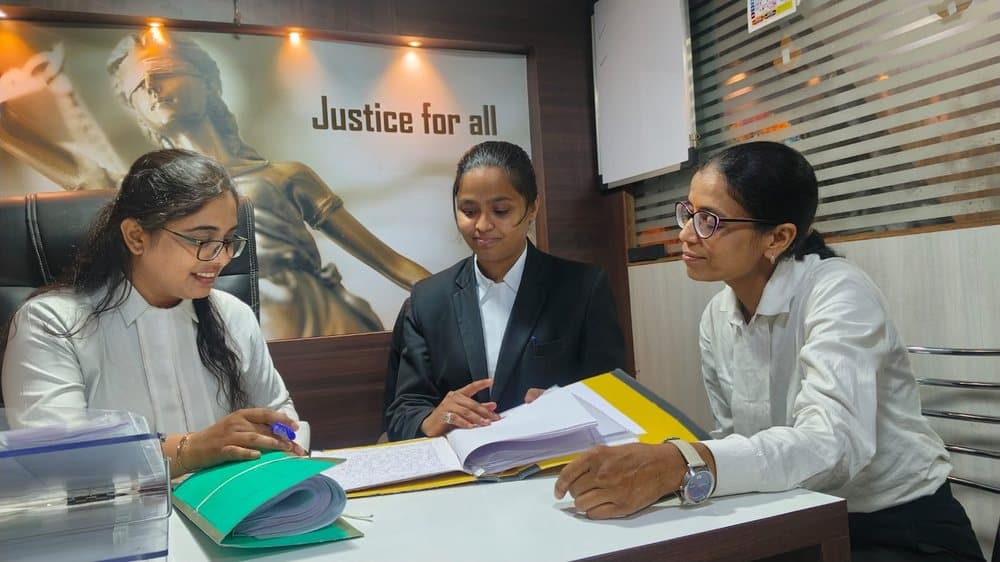
Custody in India is decided on one test: the welfare of the child. Family Courts in Pune weigh stability, schooling continuity, the child's own comfort and each parent's conduct and availability — not automatically income, and not the parent who filed first. Children below five are usually placed with the mother under the Hindu Minority and Guardianship Act, but it is a starting point, not a rule.
Custody hearings are the part of family litigation where parents most often damage their own case — by treating the child as leverage, by moving cities without advice, or by arriving with allegations rather than a plan for the child's week.
What the court actually looks at
- Continuity: schooling, neighbourhood, routine, extended family the child is used to
- Availability: who is realistically present at 4 pm on a school day
- Conduct: attempts to alienate the other parent count heavily against the parent making them
- Environment: safety, space, who else lives in the home
- The child's preference: weighed seriously as the child grows older
- Capacity to maintain: relevant, but maintenance can be ordered — poverty alone does not decide custody
Types of order you may hear about
| Order | What it means | When it is decided |
|---|---|---|
| Interim custody | Who the child lives with while the case runs | Early — often the most consequential stage |
| Visitation / access | Schedule for the non-custodial parent | Alongside interim custody |
| Permanent custody | Final arrangement in the decree | At the end of the matter |
| Guardianship | Legal authority over the minor's affairs | Guardians and Wards Act proceedings |
For fathers
Fathers regularly secure custody or substantial structured access in Pune — but rarely by arguing the mother's unfitness in general terms. What works is specific: a demonstrated role in the child's routine, a realistic weekly plan, school and medical involvement on record, and restraint in how the other parent is described.
For mothers
The practical tilt for young children helps, but it is not automatic, and it can be lost through alienation conduct or instability. Document caregiving, schooling and medical involvement, and pursue interim maintenance so financial pressure does not force a bad custody compromise.
The bottom line
Bring the court a plan for the child, not a case against the other parent. In our experience that is the difference between the parents who get workable orders and the ones who litigate for years.