
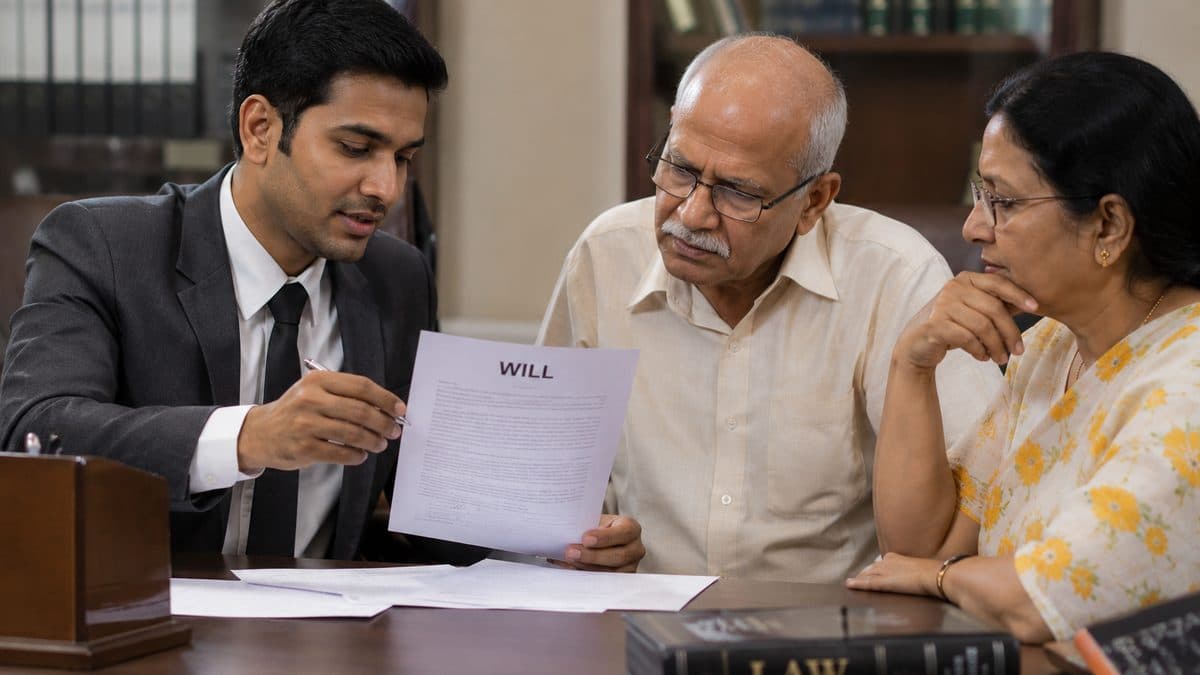
A valid will needs a person of sound disposing mind, a clear disposition, the testator's signature and two attesting witnesses. Registration is optional but makes a will far harder to challenge. Probate — the court's certification of a will — is compulsory only in limited circumstances (notably wills falling within the presidency-town rules, such as Mumbai); elsewhere in Maharashtra it is often not mandatory, though banks and societies sometimes insist. Where there is no will, heirs typically need a legal heirship certificate or, for debts and securities, a succession certificate.
Almost every inheritance dispute we litigate had a simple, inexpensive solution the family never wrote down. Two pages, properly drafted and witnessed, prevent years of proceedings between people who used to share meals.
Which instrument do you need?
| Situation | Instrument | Purpose |
|---|---|---|
| Planning ahead | Will (registered, ideally) | Decides who gets what, on your terms |
| Will exists; bank or court requires certification | Probate | Court's confirmation of the will's validity |
| No will; movable assets, deposits, securities | Succession certificate | Authority to collect debts and securities |
| No will; establishing who the heirs are | Legal heirship certificate | Recognition of heirs for transfers |
| Executor named but unwilling / absent | Letters of administration | Court-appointed administration of the estate |
Making a will that survives challenge
- Two witnesses who are not beneficiaries, present at signing
- Clear identification of every asset — vague descriptions are where disputes begin
- A named executor who has agreed to act
- A doctor's note on mental capacity where the testator is elderly or unwell — inexpensive, and decisive if challenged
- Registration at the Sub-Registrar: optional, strongly advisable
- A later will expressly revoking earlier ones, to avoid competing documents
What happens without a will
Intestate succession applies — the personal law governing the deceased distributes the estate among heirs in fixed shares, regardless of intention, need or who cared for the deceased. That gap between the legal outcome and the family's expectation is what produces litigation.
The bottom line
Write the will while capacity is unquestionable, register it, and tell the executor where it is kept. It is the cheapest legal work a family will ever pay for — and the only kind that prevents disputes rather than resolving them.